Better Living by Design
Home renovations today are about much more than updating a space for resale or improving aesthetics. While both are important, modern renovations increasingly focus on something deeper: designing a home that supports your lifestyle for years to come.
For many homeowners, the true return on investment (ROI) in a renovation isn’t simply measured in resale value—it’s measured in how well your home supports your daily life, comfort, and long-term needs. In fact, most homeowners who renovate today expect to stay in their homes for 12–15 more years, making thoughtful design decisions more important than ever.
When you approach a renovation with your lifestyle in mind, every design choice becomes an opportunity to improve how you live.
Designing for Lifestyle, Not Just Looks
A successful renovation begins with understanding how your home should support the way you live now—and how that may evolve over time.
Rather than focusing solely on trendy finishes or resale potential, lifestyle renovations consider questions like:
- How do you use your home day to day?
- How might your needs change over the next decade?
- How can your space adapt as your life evolves?
The goal is to create a home that feels both functional and timeless, allowing you to enjoy it fully while maintaining long-term value.
Quality That Makes Sense
Quality materials and craftsmanship are essential in any renovation, but “quality” doesn’t always mean choosing the most expensive option.
Thoughtful design balances durability, aesthetics, and practicality.
Avoid Over-Improvement
It’s possible to renovate beyond what your neighborhood supports. Over-improving a home can make it difficult to recover renovation costs when selling. Instead, choose materials and finishes that provide lasting value without pricing your home out of the local market.
Watch for High-Maintenance Choices
Some materials look stunning but require constant upkeep. Flooring that needs frequent refinishing or countertops that require sanding, oiling, and polishing can quickly become frustrating for homeowners.
When planning a renovation, consider how the materials will perform in everyday life.
Don’t Overspend on Invisible Details
Details matter, but it’s important to balance craftsmanship with practicality. Investing heavily in improvements that are never seen—or rarely appreciated—may not provide meaningful lifestyle or resale benefits.
Adaptable Design for Changing Needs
Great design blends timeless elements with flexible details.
A home that adapts easily to new styles, family changes, or evolving needs will serve you far longer than one built entirely around current trends.
For example:
- Incorporate bold colors through artwork, pillows, rugs, and furniture, rather than permanent fixtures.
- Choose classic finishes for structural elements like cabinetry, countertops, or doors.
- Design rooms that can easily change purpose as your life evolves.
If your home currently accommodates young children, think about how those spaces could later transition into home offices, guest rooms, or hobby areas without major renovations.
Furniture vs. Built-Ins: Finding the Right Balance
Both furniture and built-in features play important roles in a lifestyle renovation. The key is knowing when flexibility is more valuable than permanence.
When Furniture Makes Sense
Furniture is ideal when you want flexibility and adaptability.
Consider furniture when:
- You like to rearrange layouts frequently
- A room serves multiple purposes
- You want design flexibility as your needs change
For example:
- Use ottomans or benches for flexible seating when entertaining.
- Consider Murphy beds or pullout sofas for home offices that double as guest rooms.
- Choose versatile furniture pieces that can move with you as your lifestyle evolves.
When Built-Ins Are Worth the Investment
Built-ins provide elegance, efficiency, and long-term value.
They are particularly effective when:
- A room’s purpose is unlikely to change
- Storage is needed in tight spaces
- Traffic flow and functionality are priorities
Built-in shelving, cabinetry, and seating can maximize space while creating a custom, polished look that enhances your home’s value over time.
The Power of Indoor-Outdoor Living
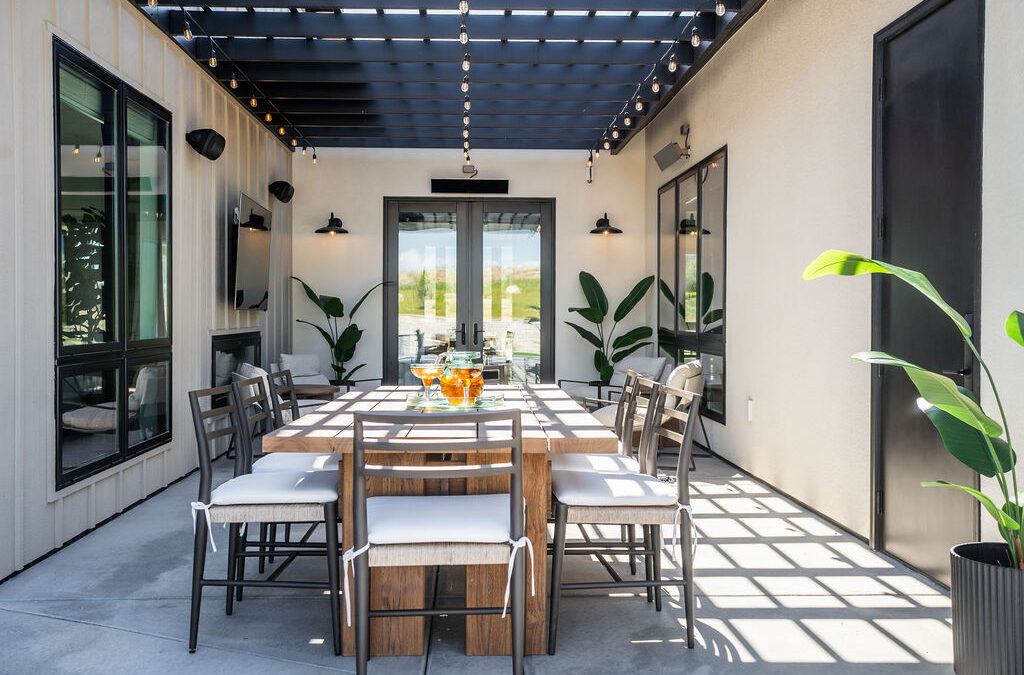
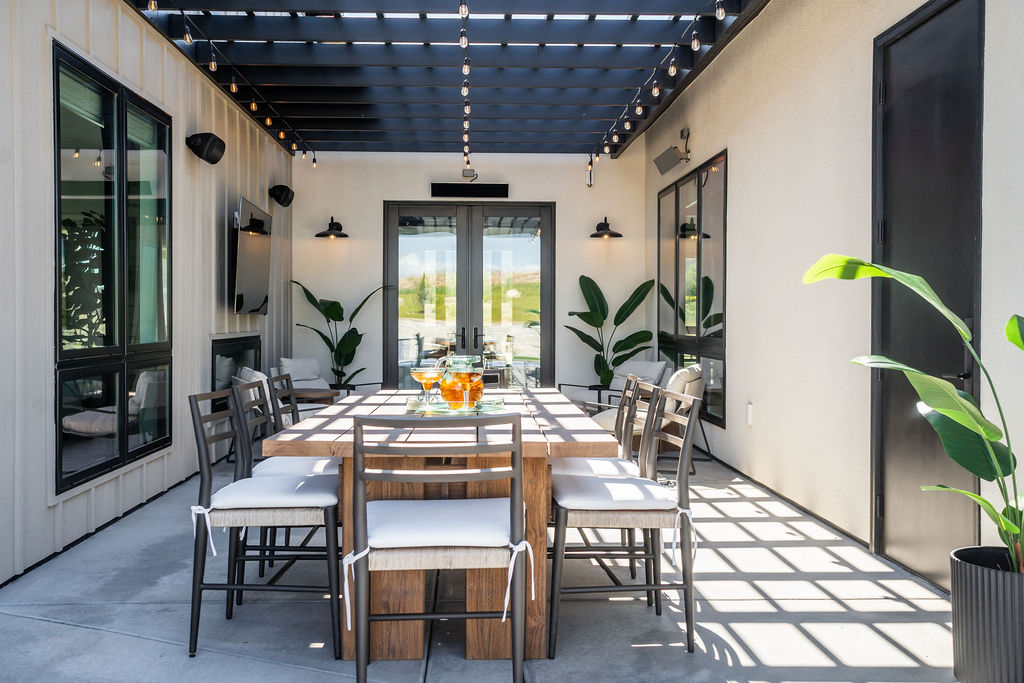
In regions like Colorado’s Grand Valley, homeowners are increasingly investing in indoor-outdoor living spaces.
These spaces expand usable square footage, improve lifestyle enjoyment, and significantly boost home value.
Examples include:
- Covered patios
- Outdoor kitchens
- Seamless indoor-outdoor entertaining areas
- Sliding glass wall systems
A well-designed indoor/outdoor patio can generate up to a 500% return on investment, while outdoor kitchens often deliver 100–200% ROI.
More importantly, these spaces allow homeowners to enjoy Colorado’s beautiful seasons while making their homes more attractive to future buyers.
Designing a Home That Works for You
Ultimately, the best renovation projects are the ones that enhance everyday life.
When you design with lifestyle in mind, your home becomes more than a place to live—it becomes a space that supports your routines, gatherings, relaxation, and long-term goals.
By balancing quality materials, adaptable design, thoughtful furnishings, and functional outdoor spaces, you create a home that continues to serve you well for years to come.
That’s the essence of better living by design.
To Bring it all Together
A successful renovation is about more than appearance or resale value—it’s about improving how you live every day.
By focusing on lifestyle-driven design, homeowners can create spaces that are adaptable, functional, and enjoyable for years to come. Thoughtful choices around materials, furniture, built-ins, and indoor-outdoor living areas ensure that renovations provide both immediate enjoyment and long-term value.
When your home is designed around the way you live, renovation becomes more than an upgrade—it becomes an investment in better living.